
swee'pea99
Squire
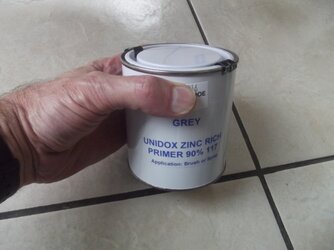
The reason I ask being, my sister's car failed its MOT and she needed a new one straightaway. Longish story short, she now has a Honda Jazz with a brand new MOT but with an advisory on corrosion on the underside. I'm more than half-minded to get under the beast, clean it off with a wire brush, and spray it liberally with this...

Horrible - it coats everything with thick, sticky black stuff that 'protects surfaces from corrosion'. Having used it, I can believe it.
I suppose the first question is, would I be totally wasting my time? Ie, it wouldn't work anyway, bound to get washed off, whatever. The second being, my nightmare scenario is my sister taking it to the MOT station next year and them taking one look at this filthy black goo and concluding well we can't really see how bad the corrosion is, err on the side of safety: failure. Is that possible/likely? Or do MOT stations have objective ways of assessing things like corrosion, whether or not black goo is involved?
Or if anyone else has found a good way to stop underbody corrosion in its tracks that doesn't involve filthy black goo?
Any thoughts and advice - thanks in advance.